Funerals and Body Disposition
The purpose of a funeral is manyfold. They allow us to say goodbye, carry out religious rituals, lay the bodies of the deceased to rest. They can also play a role in the final wishes of the deceased.
When someone dies, it is extremely difficult for their loved ones to take the time to decide on what should be done with the body and how the funeral should be conducted. As such, we tend to have a two-size-fits-all approach to body disposition (so-called 'conventional' burial or cremation) and a funeral with inherently religious valence. But our views of funerals and body disposition need not be so myopic.
NOTE: The majority of regulations and resources in the below links are specific to the United States. International guidance pending.
- Natural Burial
- Becoming a Tree
- Body Donation
- Human Composting
- Burial At Sea
- Aquamation
- Mushroom Suits
- Diamonds and Coral

Natural, or "Green" Burial
Natural, or "Green" Burial
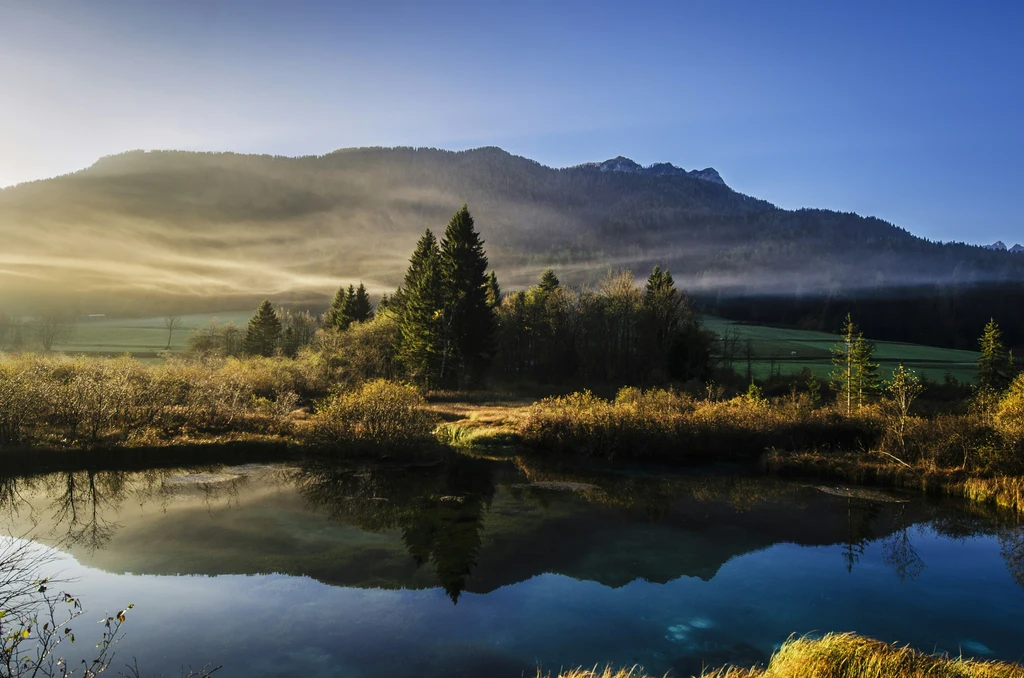
What if, when you die, your family buried you in a wooden casket or shroud in an open field or forest, marked the grave with a modest stone, and left your body to rest and be reabsorbed by the natural processes of decomposition and decay, feeding the flora and fauna? If that sounds like a great way to spend your afterlife, natural burial is for you.
Becoming a Tree
Becoming a Tree
If natural burial sounds good to you, but you'd prefer the embrace of a tree that both marks your grave and is nourished by your body, then tree burial may be for you.
Several options exist to fulfill this directive, from cremation tree pods, to natural burial + a tree.


Body Donation
Body Donation
Body donation is the process of gifting your body to a scientific organization so that it can be used to research. This could mean many things, from training medical students on human anatomy to having your body studied in a body farm to many other possible avenues of research.
Human Composting
Human Composting
Human composting is the process of breaking down a body into soil, much like the way a home compost bin breaks down organic material. The soil produced from this process can be used in memorial gardens, conservation efforts, or a variety of other ways to memorialize the deceased.
Human composting is only legal in select states in the US.
Burial At Sea
Burial At Sea
Being buried at sea is a unique method of burial which may be appropriate for those with a strong affinity for the ocean, significant naval careers, or others in specific circumstances.
The US Navy's information about burial at sea can be found here.
Thinking Beyond Funerals
Though funerals and body disposition are often deeply intertwined, there are many ways to celebrate, remember, and grieve the deceased. As you create your death plan, think of what would be most meaningful to you? Would you like your loved ones to remember you in a somber ritual to externalize their grief? Or perhaps a party featuring your favorite food, drinks, and music?
As you plan for a loved ones death care, consider what they might want. Who were they? How best might they be celebrated and remembered?
- Celebrations of Life
- Rememberances and Memorials
- Virtual Memorials
- Living Wakes
Celebration of Life
Celebration of Life
What if, when you die, your family buried you in a wooden casket or shroud in an open field or forest, marked the grave with a modest stone, and left your body to rest and be reabsorbed by the natural processes of decomposition and decay, feeding the flora and fauna? If that sounds like a great way to spend your afterlife, natural burial is for you.